

Beyond the Hold: Comfort in 2026
I remember talking with a patient last year, Mrs. Davis, who was really struggling. Her dentures were loose, causing sores and making it difficult to enjoy her favorite foods. It's a common story. Denture discomfort, often from shifting, can truly impact someone’s quality of life and confidence. Both denture liners and adhesives aim to address this problem, but they work in fundamentally different ways.
For decades, adhesives were the go-to solution. But things are changing. New materials and techniques are offering more sophisticated options for a comfortable, secure fit. As we look ahead to 2026, South Carolina residents have more choices than ever before when it comes to denture care and finding relief from discomfort.
This article will break down the differences between denture liners and adhesives, exploring the pros and cons of each. I want to be clear: comfort isn’t a one-size-fits-all situation. Understanding your options is the first step towards finding the solution that works best for you.
Denture Adhesives: The Traditional Approach
Denture adhesives are, at their core, sticky substances designed to create a bond between your dentures and gums. They typically contain polymers – often carboxymethylcellulose or polyvinylpyrrolidone – that become tacky when they interact with saliva. However, it’s very important to note that many older adhesives contained zinc, which, over time, can lead to zinc poisoning. Thankfully, most modern adhesives are now zinc-free.
Adhesives come in several forms: creams, powders, and strips. Creams are probably the most common, offering a targeted application. Powders are good for larger dentures or those with irregular shapes. Strips are pre-cut and convenient, but can sometimes be tricky to position correctly. Application generally involves cleaning and drying the dentures, applying a thin layer of adhesive, and then placing the denture in the mouth.
You can find a wide variety of adhesive brands at most drugstores and pharmacies in South Carolina, and of course, at Denture Care Shop. Poligrip and Fixodent are two of the more recognizable names. A potential drawback of adhesives is the messiness. They can sometimes ooze out from around the edges of the dentures, and the taste can be unpleasant for some. Buildup on the dentures and gums is another concern, requiring regular, thorough cleaning.
The FDA provides guidance on these over-the-counter products. Their guidance, available on fda.gov, focuses on ensuring safety and proper labeling. They don't 'approve' adhesives in the same way they approve drugs, but they do regulate their composition and marketing claims. Following the manufacturer's instructions and choosing a zinc-free formula are key to safe and effective use.
Liners: A Cushion Between You and Your Dentures
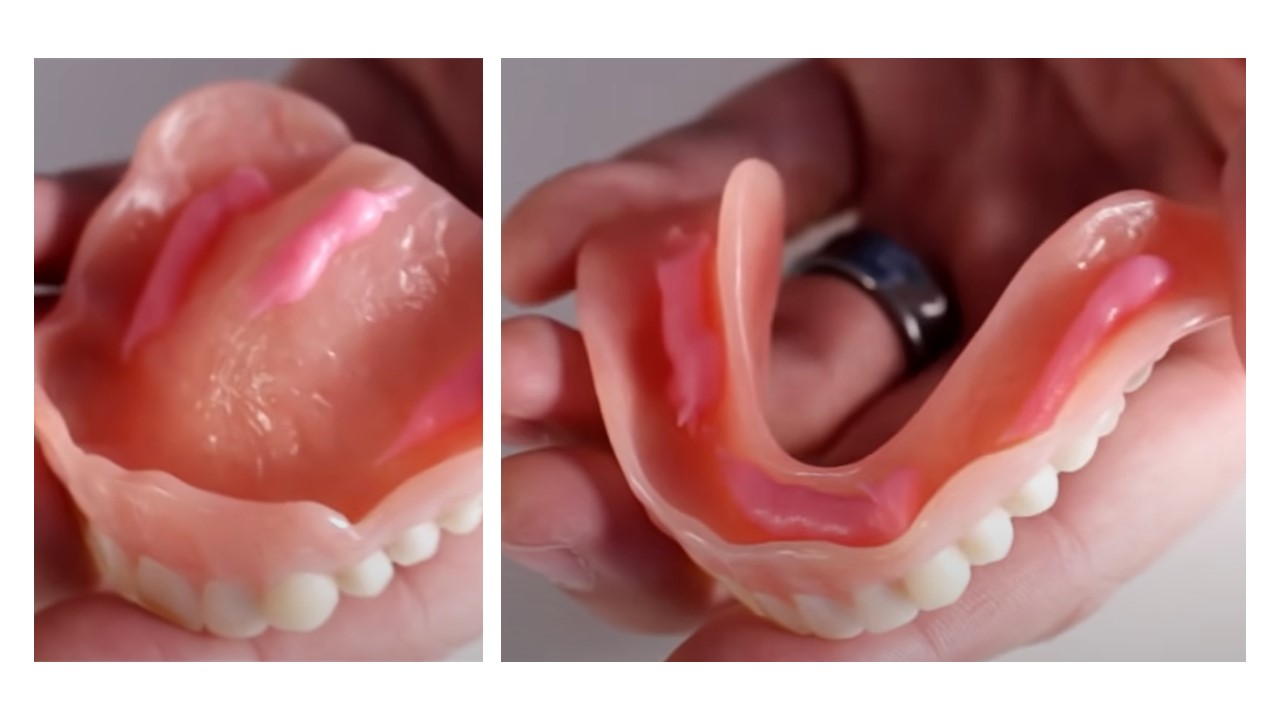
Denture liners are soft, flexible materials that fit inside the denture itself, directly against the tissues in your mouth. They act as a cushion, improving the fit and comfort, especially for individuals with bony ridges or sensitive gums. Unlike adhesives, liners don't stick to your gums – they improve the overall fit of the denture, reducing the need for adhesive in the first place.
There are several types of liners available. Hard liners are more durable and can last longer, but offer less cushioning. Soft liners provide more immediate comfort but wear out faster. Temporary liners are often used after extractions or during the initial adjustment period, while permanent liners are designed for longer-term use. The material used varies, but common options include silicone and acrylic.
Proper fitting is absolutely critical with denture liners. A skilled denturist will take impressions of your mouth and create a liner that conforms precisely to the shape of your denture. This ensures a snug, comfortable fit. Liners have a lifespan – soft liners typically need replacing every 6-12 months, while hard liners can last several years. Ignoring the need for replacement can lead to discomfort and even bacterial growth.
It’s important to understand that liners don’t "glue" the denture in place. They provide a better, more conforming fit. This means less movement, less rubbing, and ultimately, more comfort. They address the source of the discomfort – a poor fit – rather than simply masking the symptoms with an adhesive.
Cost Breakdown: Adhesives vs. Liners (SC, 2026)
Let's talk money. Initially, denture adhesives are significantly cheaper. A tube of adhesive cream might cost around $8-$15, and a container of powder around $10-$20. However, these are ongoing costs. If you use adhesive daily, you'll be spending $100-$200 per year, easily. The price varies depending on the brand and quantity.
Denture liners have a higher upfront cost. A temporary liner, fitted by a denturist, could range from $200-$400. A permanent, custom-fitted liner can cost between $500-$1500, depending on the material and the complexity of the case. At Denture Care Shop in North Charleston, we offer competitive pricing on both fitting and materials.
Don’t forget to factor in potential costs for denture adjustments. Sometimes, even with a liner, minor adjustments to the denture itself are needed to achieve the perfect fit. These adjustments typically cost between $50-$150 per visit. Over the long term, the cost of adhesives can easily exceed the cost of a well-fitted liner, especially if you’re avoiding frequent adjustments to ill-fitting dentures.
Considering a five-year period, adhesives could easily cost $500 to $1000, while a durable hard liner, potentially requiring one adjustment, might cost $600 to $1650. The initial investment in a liner can pay off in comfort and convenience, and potentially save you money in the long run.
Denture Liners vs. Adhesives: A Comfort & Practicality Comparison for South Carolina Residents
| Factor | Denture Adhesives | Denture Liners |
|---|---|---|
| Initial Cost | Low | Medium |
| Ongoing Cost | Medium | Medium to High |
| Comfort Level | Medium | High |
| Ease of Use | High | Medium |
| Maintenance | Daily application required | Periodic replacement/adjustment needed |
| Suitability for Sensitive Gums | May cause irritation for some | Generally better tolerated |
| Suitability for Bony Ridges | Can help with stabilization, but may not address underlying discomfort | Provides cushioning and improved fit |
| Long-Term Gum Health | Potential for increased gum irritation with prolonged use | May help protect underlying tissues, but requires proper hygiene |
Illustrative comparison based on the article research brief. Verify current pricing, limits, and product details in the official docs before relying on it.
Health & Hygiene: What You Need to Know
Health and hygiene are paramount when it comes to dentures. As mentioned earlier, some older denture adhesives contained zinc, which can cause neurological problems if ingested over time. Always choose zinc-free adhesives to avoid this risk. The FDA has issued warnings about zinc-containing adhesives, and most manufacturers have since reformulated their products.
Proper cleaning is essential, regardless of whether you use adhesives or liners. Dentures should be brushed daily with a denture brush and a mild denture cleanser. Avoid using toothpaste, as it can be abrasive. Liners require special care to prevent bacterial and fungal growth. Your denturist can recommend a specific cleaning solution and provide instructions on proper maintenance.
The FDA guidance on denture care products emphasizes the importance of regular dental checkups. Even with well-fitting dentures and proper hygiene, it’s crucial to see your dentist regularly to monitor your oral health and address any potential problems. They can check for signs of irritation, infection, or changes in your gums and jawbone.
Ignoring oral hygiene can lead to a range of issues, including denture stomatitis (inflammation of the gums), angular cheilitis (cracking at the corners of the mouth), and even systemic infections. A clean mouth and properly maintained dentures are key to overall health and well-being.
Real People, Real Results: South Carolina Stories
Let’s look at a couple of scenarios. Consider Mr. Johnson from Columbia. He'd been using adhesive for years, but was constantly dealing with oozing and a strange taste in his mouth. He switched to a soft liner, fitted at Denture Care Shop, and immediately noticed a significant improvement in comfort and confidence. He no longer needed adhesive, and felt his dentures were much more secure.
Then there's Mrs. Ramirez from Charleston. She had very sensitive gums and found that adhesives irritated them. A hard liner provided a more comfortable fit, protecting her gums from direct contact with the denture base. She reported being able to eat and speak with much greater ease. She had to replace the liner after 5 years, but still considered it a good investment.
If you experience persistent discomfort, sores, or difficulty eating with your dentures, don’t hesitate to seek professional help. It could be a sign that your dentures are ill-fitting or that you need to explore alternative solutions. A skilled denturist can assess your situation and recommend the best course of action.
Top Liner & Adhesive Products (2024/2025)
Here are a few highly-rated products available to South Carolina residents. Please note that availability can change, so it’s always best to check with your local retailer or Denture Care Shop. For adhesives, Poligrip Ultra Hold Cream ($12-$18) consistently receives positive reviews for its strong hold and ease of application. Fixodent Complete Original Cream ($10-$15) is another popular choice, known for its affordability.
In the liner category, Lucid Permanent Denture Adhesive Seal ($25-$30 on Amazon) is a well-regarded option for creating a tighter fit without the mess of traditional adhesives. For temporary liners, GC Reline Soft Liner ($30-$40) is often recommended by denturists for its comfortable cushioning. Denture Care Shop offers custom-fitted soft liners starting at $300, providing a personalized solution.
For those seeking a powder adhesive, Poligrip Denture Adhesive Powder ($8-$12) is a reliable choice, offering a good balance of hold and affordability. If you prefer strips, Poligrip Complete Daily Adhesive Strips ($15-$20) are convenient and easy to use. Remember to always follow the manufacturer's instructions and choose a zinc-free formula.
Featured Products

Specially formulated for sensitive gums · Provides a strong, all-day hold · Seals out food particles
Fixodent Plus Gum Care offers a comfortable, secure hold while promoting gum health, making it a top choice for sensitive users.
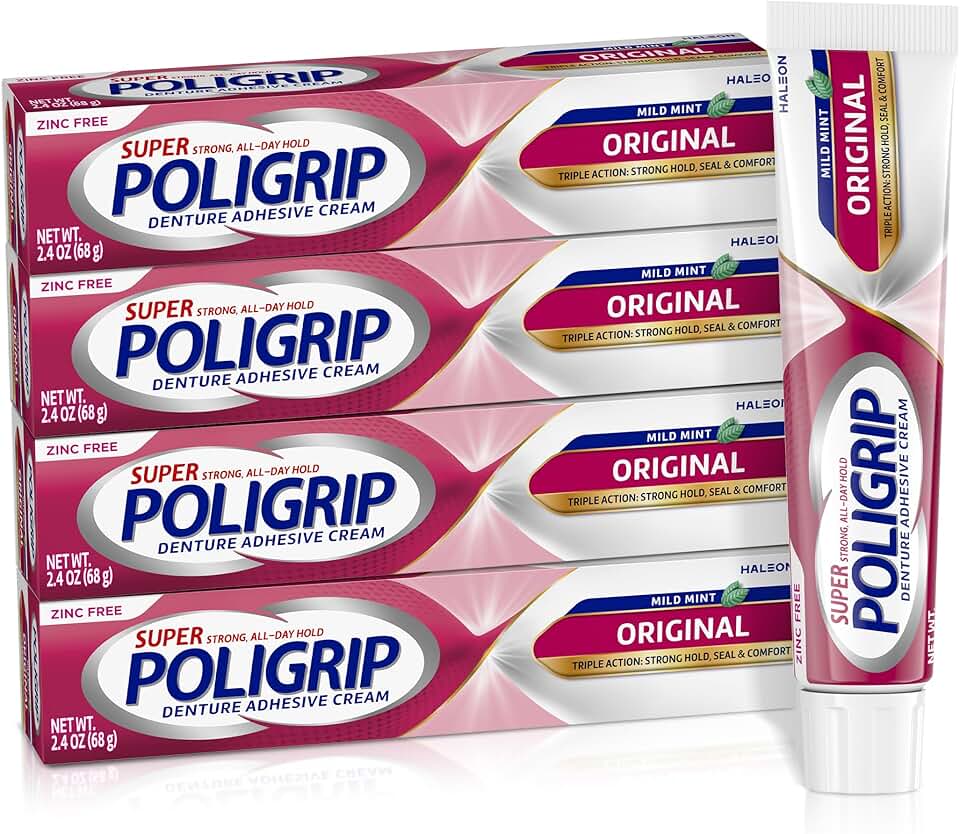
Zinc-free formula · Provides a strong, reliable hold · Comfortable cushion between gums and dentures
Super Poligrip Original offers a dependable, zinc-free hold with added cushioning for everyday comfort and security.

Zinc-free adhesive seals · Mess-free application · All-day hold for lower dentures
Sea Bond Secure Denture Adhesive Seals provide a convenient, mess-free, and zinc-free solution for all-day hold on lower dentures.
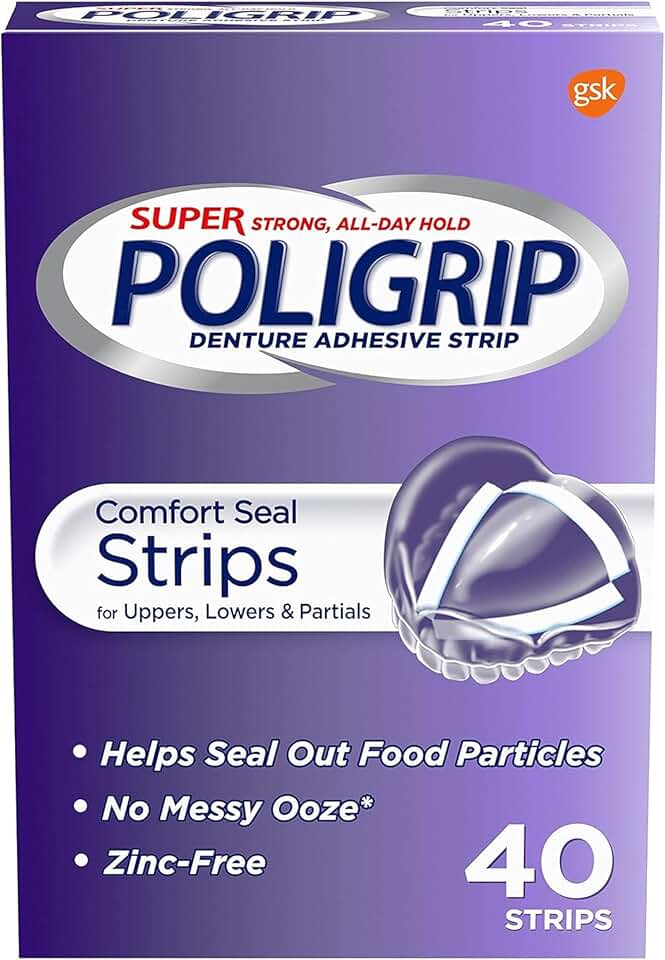
All-day comfort and hold · Strong seal to prevent food particles · Easy-to-use strips
Super Poligrip Strips offer a strong, all-day seal that prevents food from getting under dentures, ensuring comfort and confidence.

Zinc-free and waterproof · Comfortable cushion fit · Extra firm all-day hold
Secure Denture Adhesive Strips deliver a waterproof, zinc-free, and comfortable cushion fit with an extra firm hold for lower dentures.
As an Amazon Associate I earn from qualifying purchases. Prices may vary.
Future Trends: What's Next for Denture Comfort?
The field of denture care is constantly evolving. We're seeing advancements in materials science, with new polymers being developed that offer improved comfort, durability, and biocompatibility. Digital scanning technology is also becoming more prevalent, allowing for the creation of more precise and custom-fitted dentures.
I also anticipate seeing new adhesive formulations that offer even stronger holds and reduced messiness. Research into bio-adhesives – adhesives inspired by natural materials – could lead to truly revolutionary products. While these innovations are still on the horizon, they promise a future where denture wearers can enjoy greater comfort and confidence.

No comments yet. Be the first to share your thoughts!