

Modern denture care basics
Denture care is a daily commitment. While new materials make modern plates more comfortable than the ones our parents wore, the basic physics of keeping them clean hasn't changed. If you live in North Charleston, you know the humidity and heat make oral hygiene even more of a priority to prevent bacterial growth.
Professional relining is expensive, so I focus on at-home maintenance to stretch the life of my own gear. The products hitting the shelves now are better at protecting acrylic than the abrasive pastes we used to use. Here is what actually works for a daily routine.
We'll be covering everything from daily cleaning routines to repair options and comfort adjustments. My aim is to provide practical advice and product recommendations tailored to the needs of denture wearers in our community.
Cleaning beyond the brush
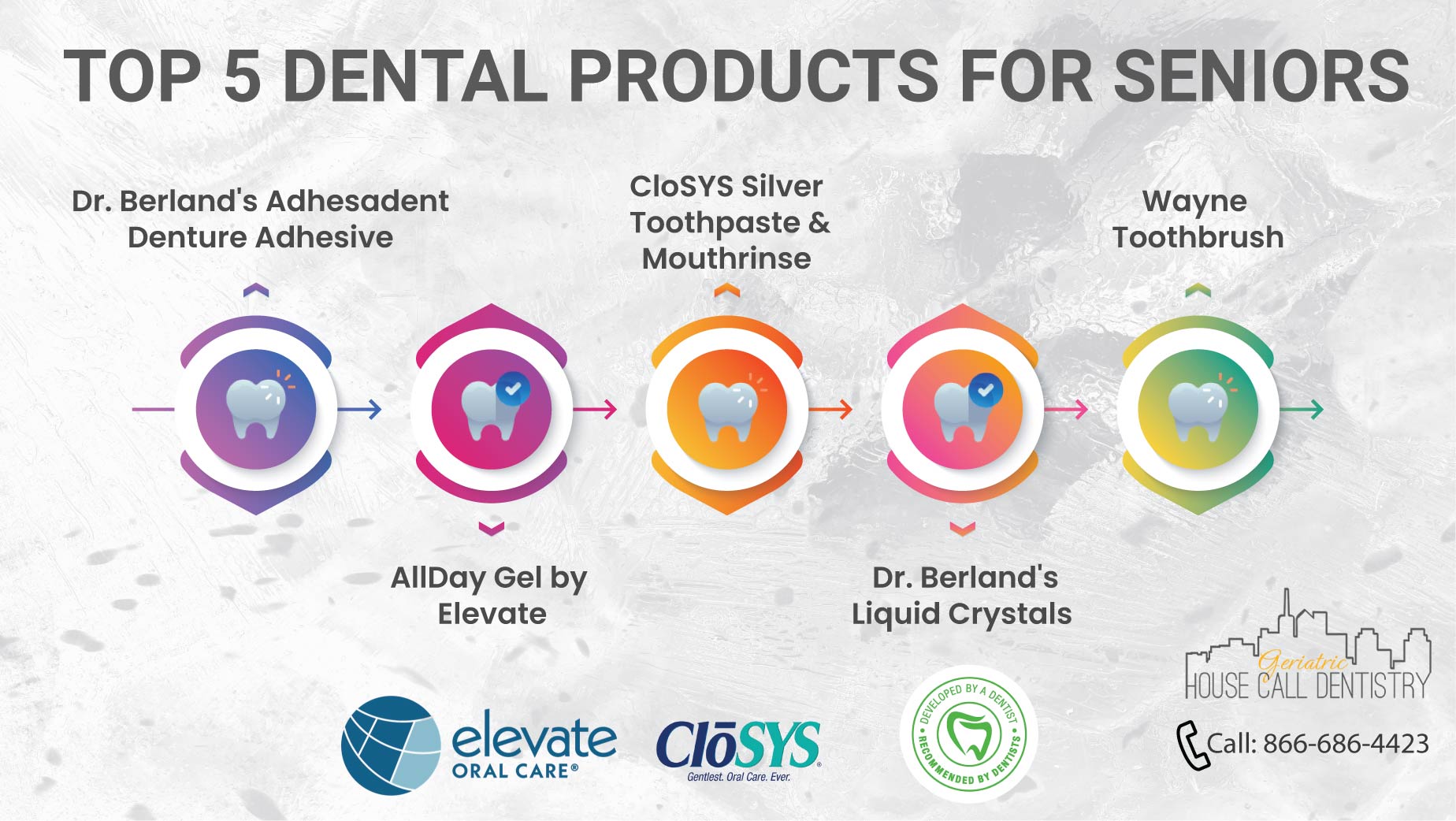
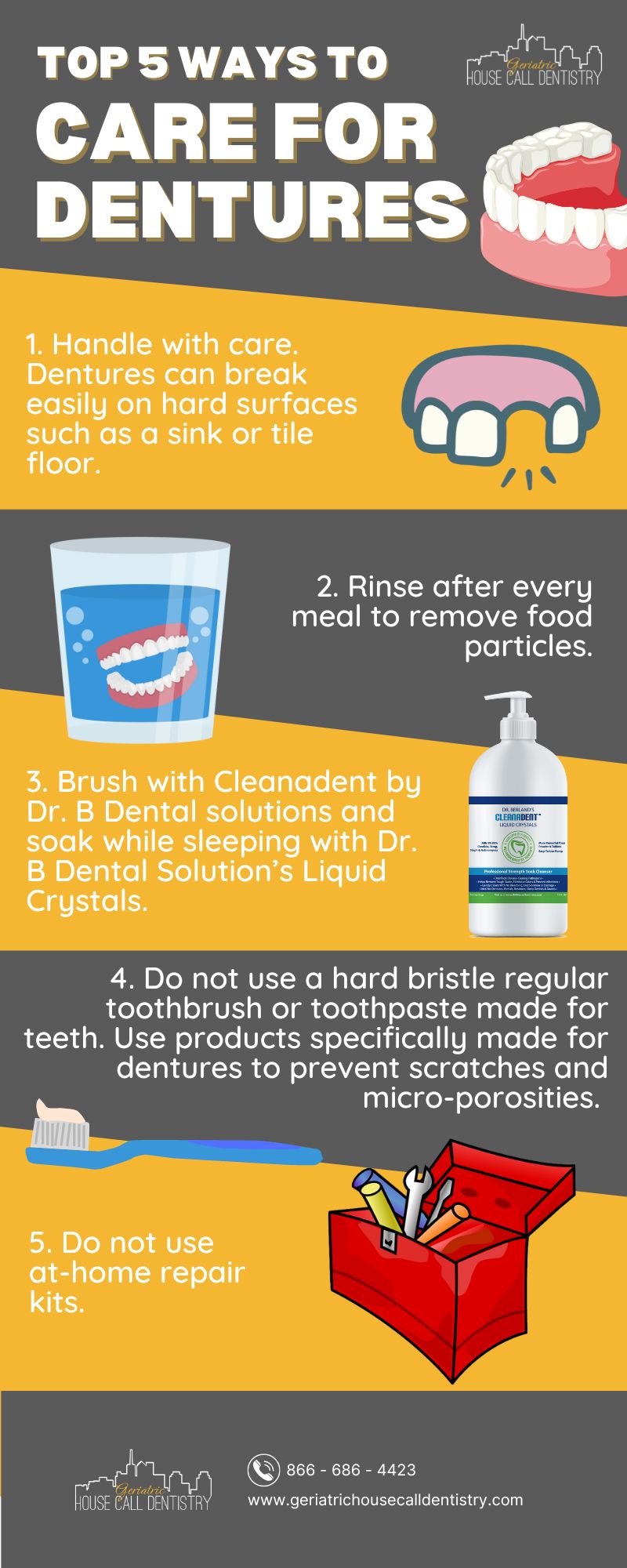
Brushing is the first step, but the brush itself matters. I use a soft-bristled version because stiff nylon scratches the acrylic. Those tiny scratches are where bacteria hide and cause that 'denture breath' no one wants to talk about. Skip the standard toothpaste; it's too gritty for these materials.
These cleansers are formulated to remove food debris and stains without damaging the acrylic or metal components of your dentures. Proper soaking is also key. Fill a denture cup with water or a denture-soaking solution and leave your dentures submerged overnight. This helps maintain their shape and prevents them from drying out. Avoid using hot water, which can warp the dentures.
Don't neglect your mouth either! Even with dentures, you still need to clean your gums, tongue, and palate. A soft-bristled toothbrush or a damp cloth can be used to gently remove plaque and stimulate circulation. It’s easy to forget this step, but it’s important for overall oral health. I’ve seen many patients experience gum irritation simply because they weren’t cleaning their mouths properly.
- Use a soft-bristled brush.
- Use a cleanser made for acrylics rather than standard toothpaste.
- Soak dentures overnight in cool water or denture solution.
- Clean your gums, tongue, and palate daily.
Home repair kit limits
Let’s be realistic: dentures aren't indestructible. Minor cracks or chips happen. Denture repair kits can be a lifesaver for temporary fixes, but it’s crucial to understand their limitations. These kits typically contain a denture repair adhesive that bonds broken pieces together. They are best suited for small, clean breaks – think a tiny chip on the base or a hairline crack.
These adhesives work by creating a bond between the broken surfaces, but the repair isn’t as strong as the original denture material. Don’t attempt to repair significant breaks, loose teeth, or warping. These issues require professional attention from a denturist. Using a repair kit on a major fracture can actually cause further damage and make a professional repair more difficult.
The application process is fairly straightforward. Clean and dry the broken surfaces thoroughly, apply the adhesive according to the package instructions, and hold the pieces together until the adhesive sets. However, I always recommend following up with your denturist to ensure the repair is stable and doesn’t interfere with your bite. Remember, a DIY fix is temporary.
- Kits are best for small chips and hairline cracks.
- Do not use on significant breaks or warping.
- Follow package instructions carefully.
- Follow up with a denturist for a professional evaluation.
Featured Products

Repairs broken dentures · Mends cracks · Replaces loose teeth
This kit provides a convenient solution for immediate denture repairs, helping to maintain a secure and comfortable fit.

Refits and tightens dentures · Suitable for upper and lower dentures · Advanced formula for a secure reline
This reline kit helps restore a snug fit to dentures, improving comfort and stability for daily wear.
Repairs broken dentures · Mends cracks · Replaces loose teeth
This kit provides a convenient solution for immediate denture repairs, helping to maintain a secure and comfortable fit.
Repairs broken dentures · Mends cracks · Replaces loose teeth
This kit provides a convenient solution for immediate denture repairs, helping to maintain a secure and comfortable fit.
Repairs broken dentures · Mends cracks · Replaces loose teeth
This kit provides a convenient solution for immediate denture repairs, helping to maintain a secure and comfortable fit.
As an Amazon Associate I earn from qualifying purchases. Prices may vary.
Liners and cushions for better comfort
Over time, your gums and jawbone can change shape, leading to discomfort with your dentures. Denture liners and cushions can help address this issue by providing an extra layer of cushioning and improving the fit. There are several types available, ranging from soft, temporary liners to hard, permanent relines.
Soft liners are typically used for initial adjustments or for patients with sensitive gums. They’re comfortable but don’t last as long as hard liners. Hard liners, on the other hand, are more durable and provide a more stable fit, but they may require more adjustment. Temporary liners are often used after extractions, while permanent relines are done once the gums have stabilized.
I strongly advise against attempting to self-fit a denture liner. Improperly fitted liners can cause irritation, sores, and even affect your bite. A professional denturist can accurately assess your needs and create a custom liner that fits perfectly. While they might seem like a DIY solution, getting a professional fitting is essential for comfort and oral health.
Picking an adhesive that holds
Denture adhesives aren’t a necessity for everyone, but they can be helpful for those who struggle with denture stability. There are three main types: creams, powders, and wafers. Creams provide a strong, even hold but can sometimes be messy. Powders are easier to apply but may not provide as much stability. Wafers offer a full-coverage hold and are often preferred by people with limited dexterity.
The FDA provides guidelines on denture adhesive use, emphasizing the importance of reading and following label instructions carefully. Overuse of adhesive can lead to health problems, including zinc poisoning in some cases. It’s crucial to use only the amount needed to secure your dentures and to remove any excess adhesive daily. Regular dental check-ups are also important to monitor your oral health and ensure proper denture fit.
Proper removal is just as important as application. Use a denture adhesive remover or warm water and a soft brush to gently dissolve the adhesive. Avoid using abrasive materials that could damage your dentures or gums. If you find yourself needing to use increasingly large amounts of adhesive, it’s a sign that your dentures may no longer fit properly and you should consult your denturist. Don't ignore that signal.
Denture Adhesive Comparison - 2024
| Ease of Application | Holding Strength | Clean-up | Potential for Mess | Cost |
|---|---|---|---|---|
| High | Medium | Medium | Low | Generally Lower |
| Medium | High | Medium | Medium | Moderate |
| Low | Medium | High | High | Generally Higher |
| Medium | Medium | Low | Low | Moderate |
Illustrative comparison based on the article research brief. Verify current pricing, limits, and product details in the official docs before relying on it.
Products Worth a Closer Look (2026)
After looking at a lot of options, a few products really stand out for North Charleston seniors. First, the Poligrip Denture Adhesive Cream offers a strong, reliable hold and is widely available. It's a classic for a reason. Second, the Fixodent Triple Action Denture Cleanser is excellent for removing stains and odors without being abrasive.
Third, I'm impressed with the DentureCleanse Ultrasonic Cleaner. While a bit of an investment, the ultrasonic cleaning action is incredibly effective at removing debris and bacteria, especially for those with limited dexterity. It's a more thorough clean than soaking alone. Finally, the Seabond Daily Denture Cleanser is a gentle, yet effective option for daily cleaning.
These aren't the cheapest options at the North Charleston Walgreens, but they save money in the long run by preventing cracks. Good maintenance keeps you out of the dentist's chair for emergency repairs.
Denture Care Checklist
- Denture Brush - Specifically designed to clean dentures without damaging the acrylic or metal components. A soft-bristled brush is ideal.
- Denture Cleanser - Use a non-abrasive denture cleanser to remove stains, plaque, and food debris. Avoid using toothpaste, as it can be too abrasive.
- Denture Case - A protective case is essential for storing dentures safely when not in use, preventing damage and keeping them immersed in a cleaning or soaking solution.
- Denture Adhesive - Available in creams, powders, and wafers, denture adhesive helps secure dentures and improve comfort. Choose a formula suitable for your needs.
- Denture Repair Kit - A temporary repair kit can fix minor breaks or chips, but should not replace a visit to your denturist for professional repairs.
- Denture Liners - Soft liners can provide added comfort, especially for those with sensitive gums or ill-fitting dentures. Available in temporary and reline options.
- Contact Information - Keep the phone number and address of your local denturist readily available for emergencies or adjustments.

Upgraded Ultrasonic Retainer Cleaner Machine, 45kHz Ultrasonic Dentures Cleaner for Night Guards, Braces, Aligner, Toothbrush, Jewelry and More, 200ML Capacity, Black1 Global Recycled Standard
- 45kHz ultrasonic cleaning technology for deep cleaning
- Versatile use for dentures, night guards, braces, aligners, toothbrushes, and jewelry
- Compact 200ML capacity
This upgraded ultrasonic cleaner provides a powerful yet gentle way for North Charleston seniors to maintain the hygiene of their dentures and other oral appliances, ensuring a fresh and clean feel.
View on Amazon →As an Amazon Associate I earn from qualifying purchases.

No comments yet. Be the first to share your thoughts!