

How same-day dentures work
Most patients in Charleston confuse two different services when searching for same-day dentures. Immediate dentures are placed right after your remaining teeth are extracted. True same-day lab dentures are fabricated in-house while you sit in the chair. Understanding this distinction sets realistic expectations for your visit.
Immediate dentures: placement on extraction day
Immediate dentures are pre-made before your appointment. The dentist takes impressions weeks in advance. On the day of your procedure, the teeth are removed, and the pre-fabricated dentures are inserted immediately. This eliminates the waiting period for healing, allowing you to leave with a full smile.
The trade-off is fit. As your gums heal and shrink over the next few months, the dentures will become loose. This requires periodic relining or eventual replacement. It is a temporary solution designed for aesthetics and function during the healing phase.
True same-day fabrication: in-house lab work
A smaller number of clinics offer true same-day fabrication. These offices have in-house laboratories that mill or press dentures during your appointment. The process involves digital scanning, design, and manufacturing all within a few hours.
This method can offer a more customized fit from the start because the dentist adjusts the dentures based on your specific bite and gum shape. However, it requires advanced technology and skilled technicians on-site. Not all Charleston practices offer this level of service.
What to expect during your visit
Whether you receive immediate or fabricated dentures, the day follows a similar structure. You will start with an examination and any necessary extractions. If you are getting immediate dentures, you will simply be fitted with your pre-made set. For same-day fabrication, you will wait while the lab creates your dentures.
The final steps involve adjusting the fit and teaching you how to care for your new teeth. You will leave with instructions on managing soreness and maintaining hygiene. This streamlined process minimizes the time you spend without teeth.
Find a Charleston Provider with an In-House Lab
To get same-day dentures in Charleston, you need a clinic that fabricates teeth on-site. This is the only way to guarantee you walk out with a full set the same day. Most general dentists refer this work out to external labs, which takes weeks. You are looking for a practice with a dedicated dental laboratory in the building.
Start by searching for "same-day dentures Charleston" or "immediate dentures North Charleston." Look for practices that explicitly mention in-house milling or lab capabilities on their website. National chains often have local branches that offer these services, but independent specialists also provide this convenience. Verify the service is available at the specific Charleston location, not just in the corporate brochure.
Once you find a candidate, call to confirm the workflow. Ask if the dentist takes impressions and scans the teeth on the same day as the extraction. If they say they send molds to a lab, skip that provider. You need a provider who can design, mill, and fit your dentures in one visit.
Before you book, use this checklist to vet the provider's capability.
-
Confirmed in-house dental laboratory
-
Same-day appointment availability for new patients
-
Clear explanation of the impression-to-fit timeline
-
Transparent pricing for the complete same-day package
-
Post-insertion follow-up schedule included in the cost
The immediate denture procedure steps
Getting same-day dentures in Charleston involves a coordinated sequence of clinical and laboratory tasks. The entire process happens in a single appointment, moving from tooth extraction to final placement without the weeks-long wait typical of traditional dentures. Because the dentures are fabricated in advance, the day of the procedure focuses on precision and fit.
1. Final impressions and bite records
Before your appointment, you have already completed preliminary visits. On the day of surgery, the dentist verifies the fit of the pre-made dentures using the impressions and bite records taken earlier. This ensures the teeth align correctly with your jaw structure before any extractions occur. The dentures are tried in to check aesthetics and occlusion, making minor adjustments to the wax setup if necessary.
2. Tooth extractions
Once the fit is confirmed, the dentist numbs the area and removes the remaining teeth. This is the most critical step because the dentures are designed to fit over the healed gum ridge, not the existing teeth. The dentist ensures all tooth fragments are removed to prevent irritation under the new denture. Bleeding is managed immediately to prepare the site for insertion.
3. Denture insertion
With the extraction sites ready, the dentist inserts the immediate dentures. These are the same dentures that were tried in during the pre-operative visits. The dentist presses the denture into place, ensuring it seats fully over the gum tissue. You will see your new smile immediately, even though your gums are still swollen from the extractions.
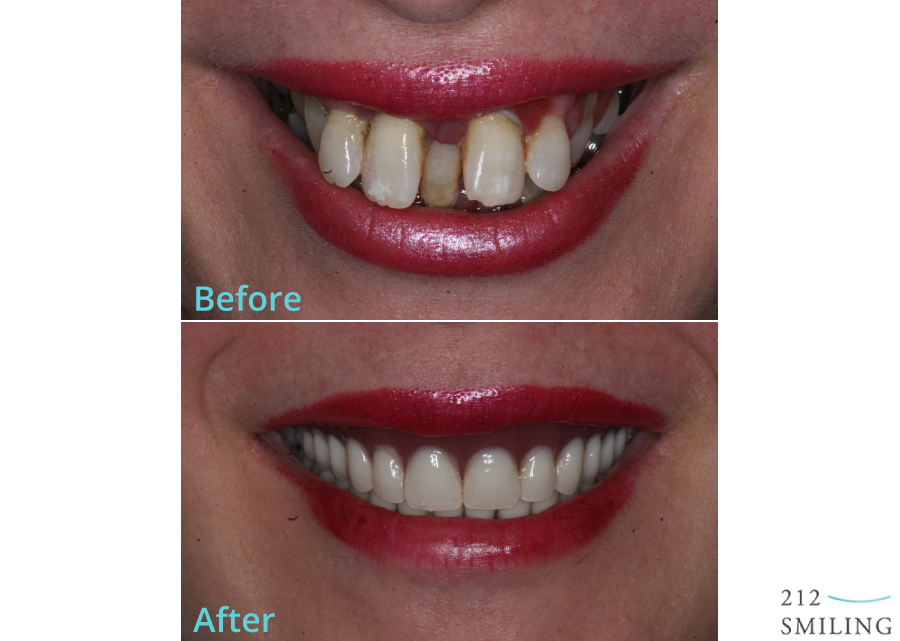
The dentist confirms the fit of the pre-fabricated dentures using previous impressions. This step ensures the teeth align correctly with your jaw before any surgical work begins.
Remaining teeth are removed. The dentist ensures all fragments are cleared to prevent irritation under the new denture, managing bleeding to prepare the site for insertion.
The pre-made dentures are inserted over the fresh extraction sites. You leave the office with a full set of teeth, though your gums will be swollen initially.
4. Adjustments and instructions
After insertion, the dentist checks the bite and makes immediate adjustments to relieve any pressure points. You receive detailed instructions on how to care for the dentures and manage post-operative swelling. Because the gums will shrink as they heal, the fit will change over the following weeks, requiring future adjustments.
5. Follow-up care
Immediate dentures are temporary. As your gums heal and reshape over the next six months, the denture will become loose. You will need several adjustment appointments to reline the denture or eventually replace it with a permanent set. This follow-up phase is essential for long-term comfort and function.
Understanding costs and insurance
Same-day dentures in Charleston typically range from $1,000 to $3,000 per arch. This price usually covers the consultation, digital impressions, the denture fabrication, and the final insertion. The wide variance depends on the materials used (acrylic vs. flexible) and whether you need immediate extractions or bone grafting at the same time.
Insurance coverage nuances
Most dental insurance plans classify dentures as a major benefit, which often means you are responsible for 50% of the cost after meeting your deductible. Annual maximums are a common hurdle; many plans cap payouts at $1,000–$1,500 per year. If your treatment cost exceeds this cap, you will pay the difference out of pocket. Always verify your specific coverage limits before scheduling.
Financing options
If insurance does not cover the full amount, most Charleston clinics offer financing plans. Options like CareCredit or in-house payment plans allow you to spread payments over 6–24 months with low or no interest. Some providers also offer discounts for upfront cash payments, which can reduce the total bill by 5–10%.
Cost comparison: Same-Day vs. Traditional
Choosing between same-day and traditional dentures involves balancing speed with long-term fit. Traditional dentures require multiple visits over several weeks, which can delay your ability to eat normally, but they may offer a more precise fit over time. Same-day dentures provide immediate aesthetics and function but may require adjustments as your gums heal.
| Feature | Same-Day | Traditional |
|---|---|---|
| Timeline | 1 visit (4–6 hours) | 2–4 weeks (2–3 visits) |
| Initial Cost | $1,000–$3,000 per arch | $800–$2,500 per arch |
| Fit Adjustment | Likely needed after healing | More precise initial fit |
| Insurance Max | Often exceeds annual max | May fit within annual max |
Care and maintenance kits
Once you have your new teeth, proper care extends their lifespan. A basic kit should include a soft-bristle brush, non-abrasive cleanser, and a storage container. Avoid using regular toothpaste, which can scratch acrylic and harbor bacteria.
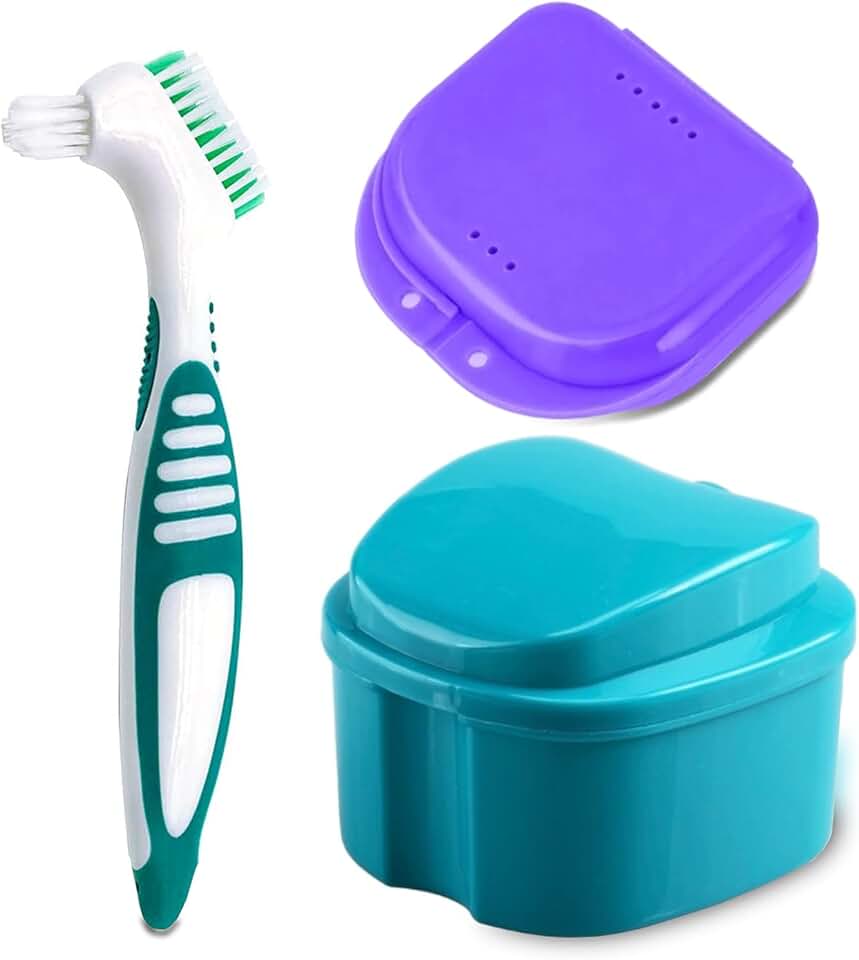
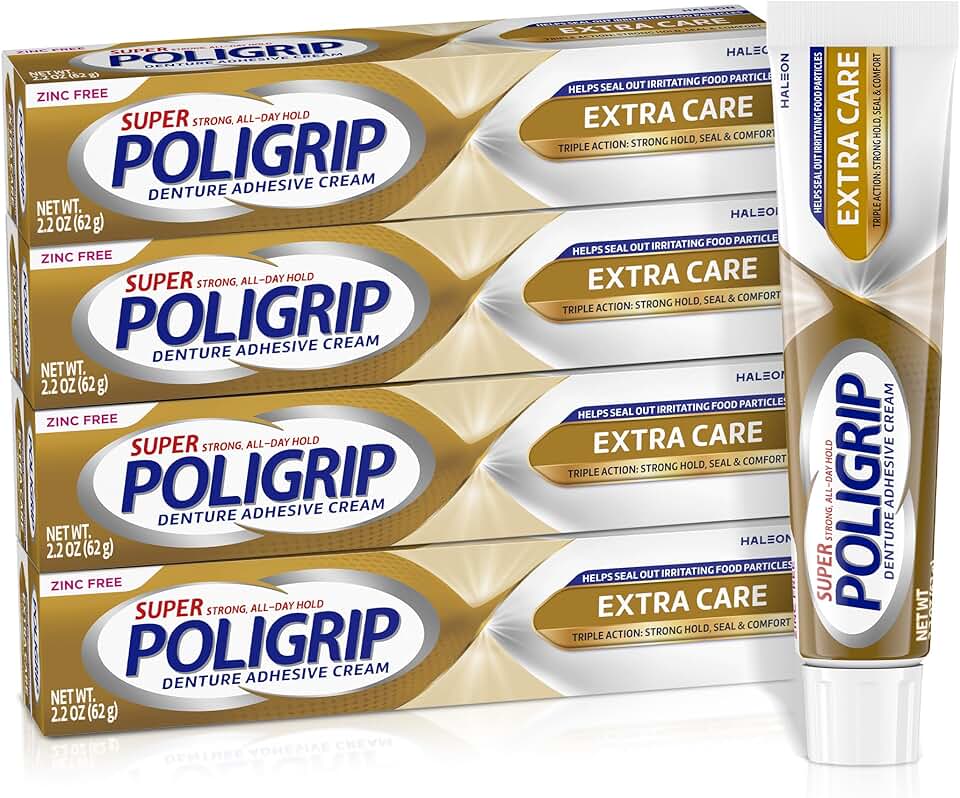
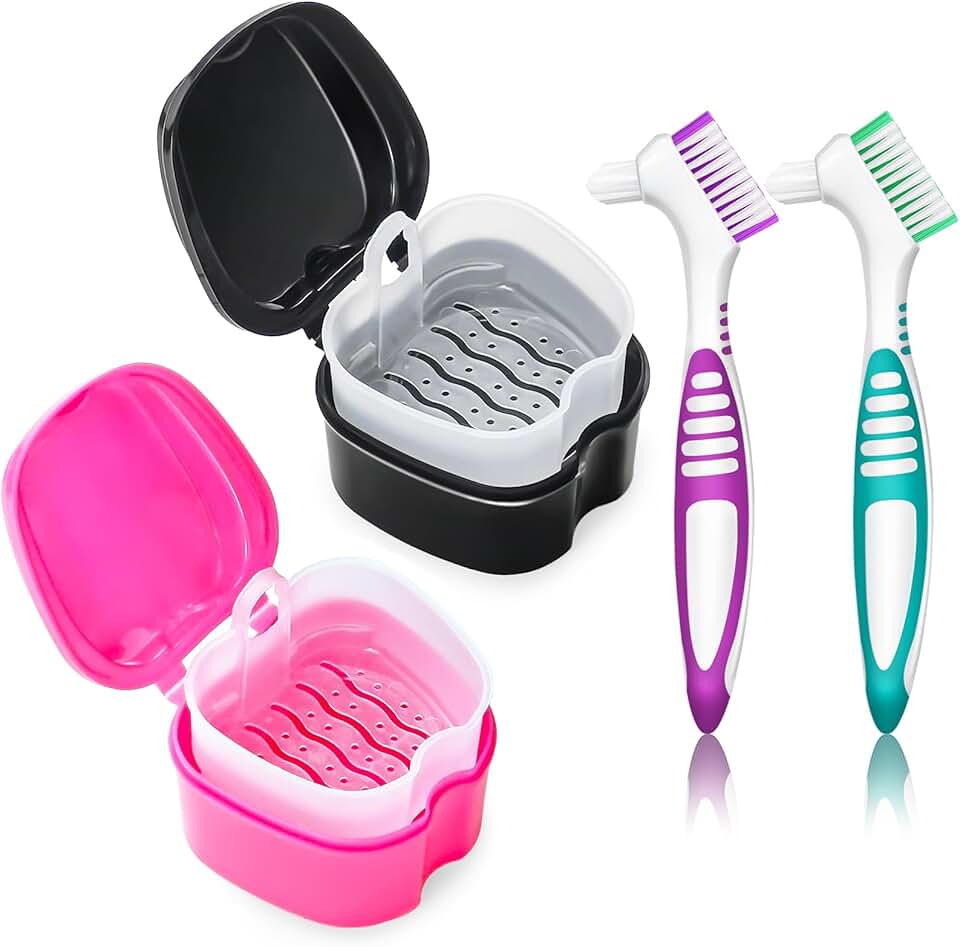
As an Amazon Associate, we may earn from qualifying purchases.
What to do when same-day dentures break
Dentures are durable, but they aren’t indestructible. A sudden drop on a tile floor or years of chewing pressure can crack the acrylic base or snap a tooth. Even without a visible break, your same-day dentures may start to feel loose as your gums and jawbone naturally shrink over time. Ignoring these changes can lead to sores, difficulty eating, or further damage to the prosthesis.
Knowing how to assess the damage and choosing the right repair path is essential. While some minor issues can be managed with temporary kits, professional repairs ensure the denture fits correctly and functions safely. This section outlines the steps to take when your dentures break or no longer fit right.
1. Inspect the damage carefully
Start by examining the denture under good lighting. Look for visible cracks in the pink acrylic base or loose teeth. Check if the fit has changed—does it rock when you bite down? If the break is small and the pieces fit back together perfectly, it might be a candidate for a professional repair. However, if the crack is jagged or the fit is significantly off, do not force it back together.
2. Decide between DIY kits and professional repair
Over-the-counter denture repair kits are available at most pharmacies, but they come with risks. These kits often use cyanoacrylate-based adhesives that can be toxic if not handled correctly and may alter the fit of your denture, causing gum irritation. For same-day dentures, which are often custom-fitted for immediate use, a DIY fix can compromise the precision of the original fit. Professional repair is generally safer and more durable.
3. Seek professional help for structural breaks
If your denture is cracked or broken, contact your dentist immediately. Many clinics, including those offering same-day services, can perform repairs in-house or through a partner lab. Professional repairs use medical-grade acrylics and ensure the bite alignment remains correct. Some providers offer same-day denture repairs, allowing you to leave the office with a fixed prosthesis rather than waiting days for a lab result. Source: Barton Dental
4. Address fit issues from gum shrinkage
If the denture is intact but feels loose, it’s likely due to gum shrinkage (resorption). This is a natural part of the aging process after tooth loss. Temporary fit enhancers, like denture adhesives, can help in the short term, but they are not a long-term solution. Your dentist can reline the denture, adding material to the base to restore a snug fit. Regular check-ups allow your dentist to monitor these changes and adjust the denture before it causes discomfort.
5. Maintain proper care to prevent future breaks
Prevention is the best repair. Always handle your dentures over a soft towel or a basin of water to cushion any accidental drops. Clean them daily with a soft brush and non-abrasive cleaner to prevent buildup that can weaken the material. Avoid using hot water, which can warp the acrylic. Regular dental visits ensure that any minor issues are caught early before they become major breaks.
Common questions about immediate dentures
Patients considering same-day dentures in Charleston usually have specific concerns about comfort, appearance, and long-term maintenance. Here are the answers to the most frequent questions about immediate dentures.
Do immediate dentures hurt?
The placement process itself is painless because your dentist uses local anesthesia to numb the area. You will not feel pain during the extractions or denture insertion. However, once the anesthesia wears off, you can expect some tenderness and swelling for a few days as your gums heal. Over-the-counter pain relievers or prescribed medication can manage this discomfort effectively.
How long will immediate dentures last?
Immediate dentures are temporary solutions designed to keep you smiling while your gums heal and reshape. They typically last one to two years. As your jawbone and gum tissue heal, your dentures may become loose. This is normal. Your dentist will adjust the fit or eventually recommend permanent dentures to ensure a secure and comfortable fit.
Can I eat normally with immediate dentures?
You cannot eat normally right away. For the first few days, stick to soft foods like yogurt, mashed potatoes, and smoothies. Avoid sticky, hard, or chewy foods that can dislodge the dentures or irritate healing gums. As your mouth adjusts, you can gradually reintroduce firmer foods, but you may need to cut food into small pieces to chew safely on both sides.
How do I clean immediate dentures?
Maintaining hygiene is critical to prevent infection. Remove your dentures at night and rinse them under lukewarm water after meals. Use a soft-bristled brush and non-abrasive denture cleaner to remove plaque. Never use hot water, which can warp the denture base. Continue to brush your gums, tongue, and palate gently with a soft brush to keep tissues healthy.
How long do I have to wear my immediate dentures?
Your dentist will likely instruct you to wear the dentures continuously for the first 24 to 48 hours after placement. This helps control bleeding and allows the dentist to identify pressure points that need adjustment. After this initial period, you may remove them for cleaning and sleeping, unless your dentist advises otherwise to support the healing process.
No comments yet. Be the first to share your thoughts!