

Denture stability in South Carolina
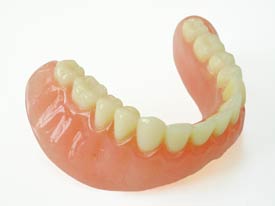
Imagine you're enjoying a delicious plate of shrimp and grits, a South Carolina favorite, but a nagging worry keeps creeping in – will your dentures slip? This is a very real concern for many seniors here. Denture instability isn't just embarrassing; it can affect your ability to eat a healthy diet, speak clearly, and truly enjoy life. It impacts confidence and can lead to social isolation if someone is self-conscious about their dentures moving.
South Carolina’s climate presents unique challenges too. The humidity and heat can cause gums to swell slightly, impacting the fit of dentures. Even a small change in gum shape can loosen the seal. We see this a lot, especially during the warmer months. Ignoring these issues can lead to discomfort, sores, and even infection.
This guide covers five essential products to help South Carolina seniors maintain denture stability and a confident smile. Learn how to use them effectively to enjoy life without worry.
Denture adhesive basics
Denture adhesive is often the first thing people reach for when experiencing denture slippage, and for good reason. A good adhesive creates a seal between the denture and your gums, improving stability and reducing movement. It’s especially helpful for lower dentures, which tend to be less stable than uppers.
There are three main types of denture adhesive: pastes, powders, and strips. Pastes are the most traditional and offer strong, long-lasting hold. Powders are good for creating an even coating, and strips are convenient for travel. I've found that many patients prefer pastes for their reliability, but it really comes down to personal preference.
Adhesive is not a substitute for properly fitting dentures. If your dentures are ill-fitting, adhesive will only provide a temporary fix. It's meant to supplement a good fit, not correct a bad one. Regulations outlined in 21 CFR Part 872 detail acceptable materials used in dental devices, including adhesives, ensuring they meet safety standards.
When choosing an adhesive, look for zinc-free formulas. Excessive zinc intake can have negative health effects. Also, consider hypoallergenic options if you have sensitive gums. Proper application is key – use a small amount and follow the product instructions carefully. Clean your dentures thoroughly after each use to remove any residual adhesive.
Cleaning tablets for dentures
Many people assume denture cleaning tablets are primarily for freshening breath, but their benefits extend far beyond that. These tablets contain ingredients that effectively remove stains, plaque, and bacteria that accumulate on dentures throughout the day. This is critical, as bacteria buildup can lead to unpleasant odors and gum irritation.
Daily cleaning is essential, even if you brush your dentures regularly. Tablets help to dislodge particles that a brush might miss. There are two main types of tablets: enzymatic and non-enzymatic. Enzymatic tablets contain enzymes that break down proteins in plaque, while non-enzymatic tablets rely on other cleaning agents.
Enzymatic tablets tend to be more effective at removing stubborn stains, but both types are beneficial. Cleaning tablets are not a substitute for a thorough daily brush with a dedicated denture brush; they complement manual cleaning.
At Denture Care Shop, we recommend a daily routine of brushing with a denture brush and soaking in a cleaning solution made with tablets. This combination provides the most comprehensive cleaning and helps maintain the longevity of your dentures.
Featured Products

Effervescent tablets dissolve to lift plaque and food debris from dentures, aligners, mouthguards, and retainers · Mint‑fresh flavor leaves appliances smelling clean · Generous supply of 126 tablets per container
Provides a quick, daily deep‑clean that keeps oral appliances fresh and hygienic for active seniors.

Waterproof seal holds dentures securely even during meals with liquids · Zinc‑free, food‑grade ingredients safe for long‑term daily use · Low‑adhesive formula that lasts up to eight weeks per 1.4‑oz tube
Ensures a reliable, comfortable fit so seniors can enjoy meals without worrying about denture slippage.

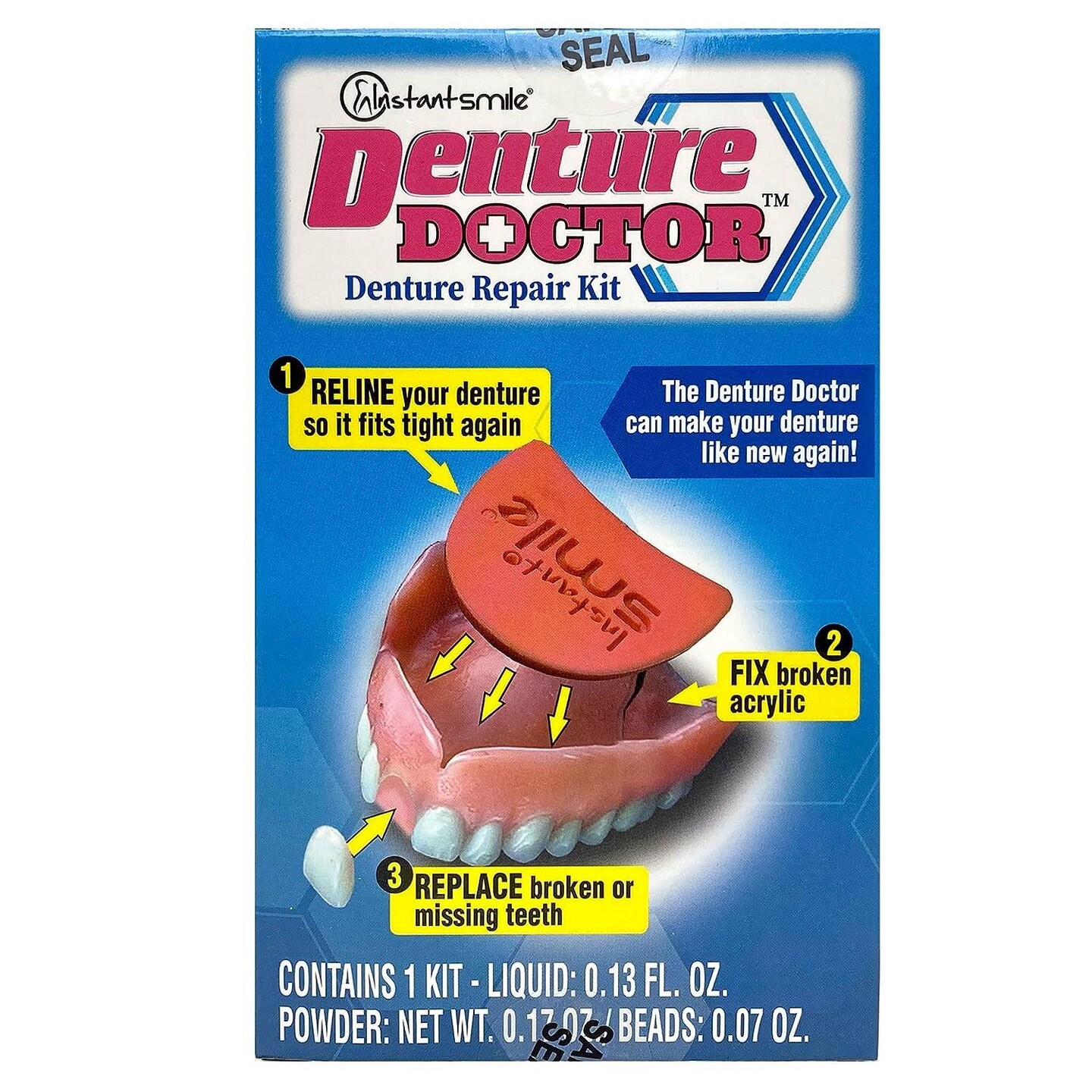
Advanced repair formula bonds quickly to cracked or broken denture bases · Includes four repair patches that can replace loose teeth or fill cracks · Compact kit designed for easy at‑home denture maintenance
Lets seniors fix common denture damage at home, extending the life of their prosthetics.

Dual‑headed brush with hard bristles for thorough cleaning of dentures and acrylic retainers · Dentist‑recommended design that reaches difficult‑to‑clean areas · Ergonomic handle for comfortable, controlled brushing
Provides the most effective daily cleaning tool to keep dentures free of plaque and stains.
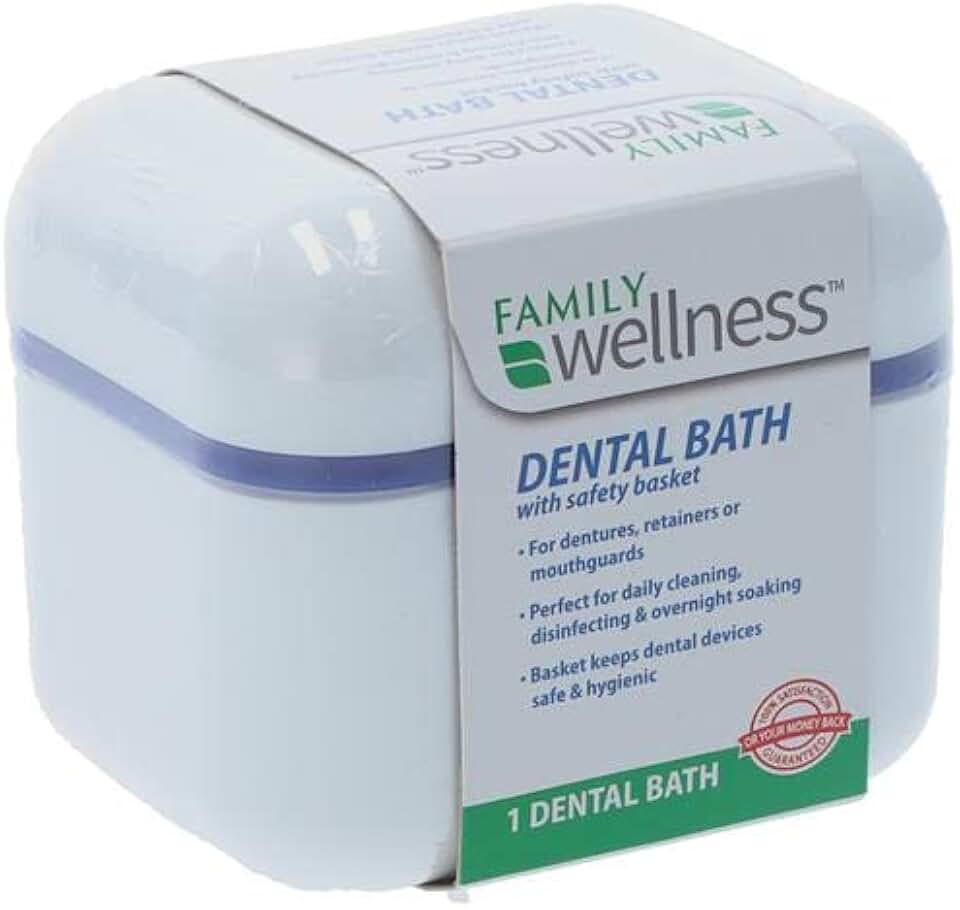
Sturdy denture cup with built‑in strainer basket for soaking and rinsing · Allows easy removal of dentures while keeping the cleaning solution contained · Compact size fits conveniently on bathroom counters or in cabinets
Offers a simple, mess‑free way for seniors to store and rinse their dentures after cleaning.
As an Amazon Associate I earn from qualifying purchases. Prices may vary.
Why use a denture brush
Using a regular toothbrush on your dentures is a mistake. Natural toothbrushes are abrasive and can scratch the surface of your dentures, creating tiny crevices where bacteria can thrive. Dentures are made of softer materials than natural teeth and require a brush specifically designed for their care.
A good denture brush has angled bristles to reach all areas of the denture, and a larger, more ergonomic handle for a comfortable grip. The bristles are typically softer and more flexible than those on a regular toothbrush. It’s also crucial to brush over a sink filled with water. This cushions against drops and prevents damage if you accidentally lose your grip.
Electric denture brushes are available and can be helpful for those with limited dexterity. However, a manual denture brush, used correctly, is adequate for most people. The key is to be gentle and thorough.
Reline kits for better fit
Over time, your gums naturally change shape. This can cause your dentures to become loose and uncomfortable, even if they fit perfectly when they were first made. A denture reline fills the gaps between the denture base and your gums, restoring a snug, comfortable fit. There are two main types of relines: temporary and permanent.
Temporary relines, often available in kits, are a softer material and are meant to provide short-term relief. Permanent relines are done by a dentist and involve a harder material. A temporary reline can be a good option if you’re waiting for a dental appointment or if your gums are changing rapidly. However, they don’t last as long as a permanent reline.
Denture reline kits typically contain a relining material and instructions for application. It’s important to follow the instructions carefully. These kits can improve fit, comfort, and chewing ability. However, I must emphasize that a professional fitting is always ideal. A dentist can assess your gums and ensure the reline is properly applied.
If you've tried a reline kit and your dentures still don't fit comfortably, or if you experience pain or irritation, consult your dentist immediately. A reline kit isn't a magic bullet, and sometimes dentures need to be adjusted or replaced altogether. Ignoring these signs can lead to more serious problems.
Denture cases for protection
It might seem like a small detail, but a good denture case is essential for protecting your dentures when you're not wearing them. Dentures can dry out and warp if left exposed to air for extended periods, and they’re susceptible to damage from accidental drops.
Cases come in various materials, including hard plastic and ventilated cases. Hard plastic cases offer excellent protection, while ventilated cases allow for airflow, which can help prevent odor buildup. Some cases even include filters to further control odor. I recommend a hard plastic case for travel and a ventilated case for overnight use.
Keeping your dentures submerged in water or denture solution when not in use is crucial. This prevents them from drying out and warping. A dedicated case also prevents accidental damage and loss, which can be a costly and inconvenient problem. Don't underestimate the importance of this simple step.

KISEER 2 Pack Colors Denture Bath Case Cup Box Holder Storage Soak Container with Strainer Basket for Travel Cleaning (Light Blue and Blue)
- Includes two denture cases in light blue and blue
- Features a removable strainer basket for easy cleaning and draining
- Ventilated design promotes airflow to help dentures dry properly
Maintain optimal denture hygiene and storage with this ventilated dual-pack denture case. The included strainer basket makes cleaning effortless, ensuring your dentures are always fresh and ready for use.
View on Amazon →As an Amazon Associate I earn from qualifying purchases.
South Carolina resources and costs
Denture care can be expensive, but resources are available to help South Carolina seniors manage costs. Denture Care Shop offers same-day denture service in Charleston, providing a convenient and affordable solution. We aim to make our services accessible.
The South Carolina Area Agencies on Aging can provide information about local programs and services offering financial assistance for dental care. Find your nearest agency on the SC Department on Aging website. Some dental insurance plans also cover a portion of denture costs; check your policy.
ShopWealthCare.com offers FSA/HSA eligible denture care products, including adhesives and cleaning solutions. Walmart.com also provides affordable denture care essentials, like Secure Denture Adhesive Cream. Compare prices and read reviews before purchasing.
Here are some frequently asked questions about denture care costs: Q: Does Medicare cover dentures? A: Generally, Medicare does not cover dentures, but some Medicare Advantage plans may offer coverage. Q: Are there payment plans available? A: Denture Care Shop offers flexible payment options to help make dentures more affordable. Q: How often should I replace my dentures? A: Dentures typically last 5-10 years, but this can vary depending on your oral health and how well you care for them.
No comments yet. Be the first to share your thoughts!