

Beyond Comfort: Why Denture Liners Matter
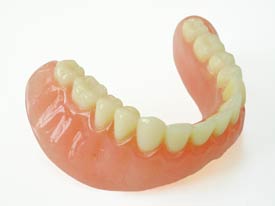
New dentures, or even old ones, can start causing sore spots, slipping, or making mealtimes a struggle. This discomfort can affect your ability to eat, speak clearly, and your confidence. Denture liners help improve the fit, comfort, and seal of your dentures.
Your mouth changes over time, especially after teeth are removed. The underlying bone shrinks, altering your jaw shape. This makes dentures fit less precisely. A liner cushions these changes, filling gaps for a snugger, more stable fit. A liner manages changes and enhances comfort, but it's not a permanent fix for a poorly fitting denture.
A liner acts as a temporary fix for a potentially larger issue. It can buy you time and improve your quality of life, but it doesn't replace regular dental checkups or potential denture adjustments or replacements. Consider it a way to extend your dentures' usability while you plan for a more comprehensive solution, restoring your ability to enjoy everyday life without the distraction of ill-fitting dentures.
Soft Liner Breakdown: Pros and Cons
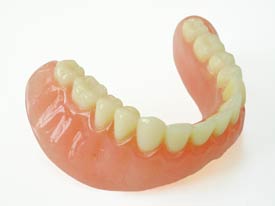
Soft denture liners are made of a pliable, typically silicone-based material. They cushion the tissues under your denture, offering immediate relief, especially after tooth extractions when gums are tender. This cushioning also improves fit, particularly when bone resorption has altered the denture’s original fit. For new denture wearers or those experiencing recent changes, a soft liner can significantly reduce irritation and discomfort.
Soft liners have a shorter lifespan, breaking down and wearing out faster than hard liners, usually needing replacement every six to twelve months. This means more frequent denturist visits and ongoing costs. They also absorb stains more easily and can be harder to clean thoroughly, potentially leading to bacterial buildup. Diligent care is required to keep them clean.
Soft liners mask the underlying fit issue temporarily; they don't correct it. If your denture is fundamentally ill-fitting, a soft liner offers limited relief. Some patients report a "squishiness" that takes getting used to, and some simply dislike the feel.
Hard Liner Details: Durability and Stability
Hard denture liners, usually made of acrylic, are durable. They last significantly longer than soft liners, often several years with proper care, making them more cost-effective in the long run. They provide a firmer, more predictable fit that many patients prefer.
Hard liners make more substantial and permanent adjustments to the denture's fit. A denturist can add acrylic to specific areas to improve support and stability, addressing underlying fit issues rather than just masking them. Cleaning is also easier with hard liners; their less porous texture means bacteria and stains are less likely to accumulate.
Hard liners aren’t as immediately comfortable as soft ones. There’s an adjustment period as your gums adapt to the new fit. Initial soreness or pressure points typically subside within a few days or weeks. Follow your denturist’s instructions carefully during this phase. Start with a small adjustment and gradually build up until the fit is optimal.
2026 Trends: Material Science and Liner Advances
FDA guidance on denture materials evolves, and research into new materials is ongoing. Toward 2026, expect advancements in both soft and hard liner materials, focusing on improved stain resistance, durability, and biocompatibility. For example, research is exploring new silicone formulations less prone to discoloration and breakdown.
In acrylic liners, scientists are exploring ways to increase flexibility without sacrificing strength, aiming for a more comfortable and stable fit that bridges the gap between soft and hard liners. There's also growing interest in antimicrobial liners to reduce the risk of denture-related stomatitis, an inflammation of the gums caused by bacterial or fungal overgrowth.
Expect liners incorporating bioactive materials that promote oral health, potentially reducing inflammation, preventing infection, and stimulating tissue regeneration. While these advancements are promising, they are still under development and will take time to become widely available and affordable. The goal is liners that are more comfortable, durable, and beneficial to overall oral health.
Soft vs. Hard Denture Liners: A Comparison for South Carolina Wearers (2026)
| Factor | Soft Liners | Hard Liners |
|---|---|---|
| Initial Comfort | Generally better for initial adaptation; provides more cushioning. | May require a longer adjustment period; feels firmer initially. |
| Long-Term Comfort | Comfort can diminish more quickly as the material breaks down; requires more frequent replacement. | Typically maintains comfort for a longer duration with proper care. |
| Lifespan | Shorter lifespan; requires more frequent relining or replacement (typically every 6-12 months, depending on use and material). | Longer lifespan; generally requires replacement less often, but still needs periodic evaluation. |
| Cleaning Difficulty | Can be more challenging to clean thoroughly due to the softer material trapping debris. | Easier to clean and less prone to harboring bacteria or staining. |
| Cost (Initial) | Generally lower initial cost for materials. | May have a higher initial cost for materials and professional fitting. |
| Cost (Ongoing) | Higher ongoing cost due to more frequent replacements. | Lower ongoing cost due to less frequent replacements. |
| New Denture Wearers | Often recommended for new denture wearers to aid in adaptation and comfort. | May be less forgiving for those new to dentures and require careful fitting. |
| Existing Dentures (Fit Issues) | Can temporarily improve the fit of dentures with minor fit issues, but is not a long-term solution. | Less effective for addressing significant fit problems; professional adjustments are usually necessary. |
Qualitative comparison based on the article research brief. Confirm current product details in the official docs before making implementation choices.
Cost Comparison: Liners and Long-Term Value
The cost of a soft denture liner ranges from $150 to $400 per arch, depending on the material and denturist fees. Since they need replacement every six to twelve months, costs add up quickly. A hard liner adjustment typically costs $200 to $600 per arch but lasts several years. Factor in denture repair kits, which range from $20 to $50.
Choosing the cheapest option upfront isn't always the wisest choice. The long-term cost of frequent soft liner replacements can exceed the initial investment in a hard liner adjustment. Consider the convenience of fewer appointments and less downtime. Think about the total cost of ownership over five or ten years, rather than just the immediate expense.
Don't forget to inquire about financing options or insurance coverage. Some dental insurance plans may cover a portion of the cost of denture liners or adjustments. And remember, investing in proper denture care – including regular checkups and professional cleaning – can help extend the lifespan of your dentures and liners, saving you money in the long run.
South Carolina Specifics: Finding the Right Fit
If you're in South Carolina, particularly in the Charleston or North Charleston area, you have access to a number of qualified denturists who can help you choose the right denture liner. It’s crucial to find a professional with experience and a good reputation. Ask for recommendations from friends, family, or your general dentist. Denture Care Shop, for example, offers same-day denture services and a range of denture care products.
South Carolina’s humid climate can also impact denture adhesion and liner performance. High humidity can sometimes cause dentures to become loose, so it’s important to ensure a proper fit and use denture adhesives as needed. Regular checkups are especially important in a humid environment to monitor for any changes in fit or comfort. Remember, this information is for general knowledge only and should not be considered a substitute for professional dental advice.
Always consult with a qualified denturist to discuss your specific needs and concerns. They can assess your oral health, evaluate your denture fit, and recommend the best liner option for you. Don’t hesitate to ask questions and express any concerns you may have. Your comfort and satisfaction are paramount.
Top Amazon Liner & Repair Kits (2026)
Finding the right products online can be overwhelming. Here are a few highly-rated denture liners and repair kits available on Amazon as of late 2026. Please note that prices and availability can change.
Fixodent Comfort Seal Denture Adhesive Strips: (Approx. $15) These strips provide a strong, long-lasting hold and are easy to apply. They're great for adding extra security to dentures with or without liners. Pros: Easy to use, strong hold. Cons: Can be messy.
Poligrip Denture Adhesive Powder: (Approx. $10) A classic choice for denture wearers. Provides a reliable hold and is affordable. Pros: Affordable, widely available. Cons: Can be difficult to apply cleanly.
Denture-Fit Denture Reline Kit: (Approx. $30) A DIY kit for relining dentures. Suitable for temporary repairs and can improve comfort. Pros: Cost-effective, convenient. Cons: Requires careful following of instructions.
Valplast Flexible Denture Reline Kit: (Approx. $45) A more professional-grade relining kit for flexible dentures. Offers a comfortable and durable reline. Pros: Durable, comfortable. Cons: More expensive.
Secure Denture Adhesive Powder with Zinc-Free Formula: (Approx. $12) A zinc-free option, as some individuals are sensitive to zinc. Provides a strong hold without the potential risks associated with zinc. Pros: Zinc-free, strong hold. Cons: May not be as long-lasting as other adhesives.
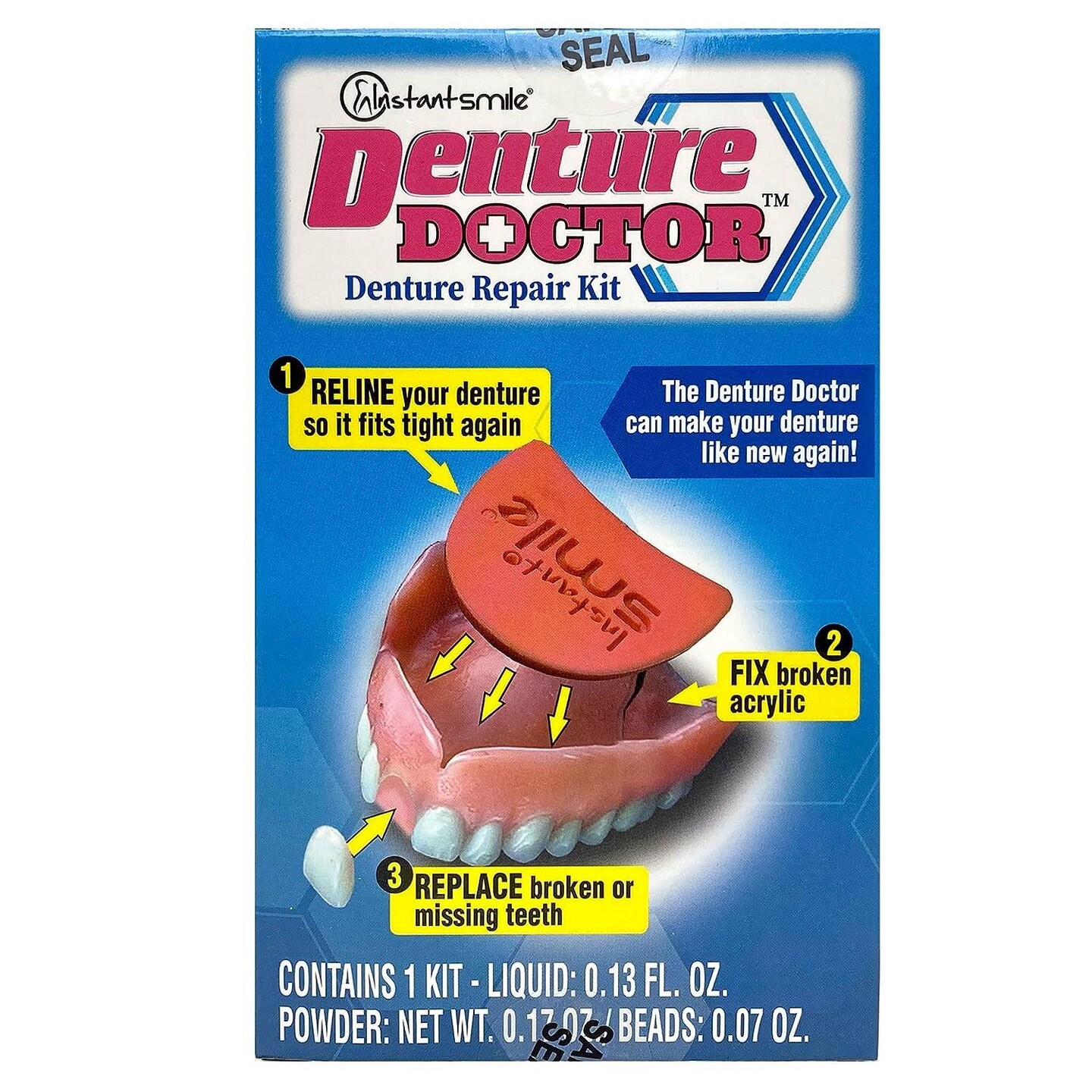
Denture Repair Kit for Broken Dentures: (Approx. $25) A kit to temporarily fix broken dentures. Useful for emergencies until you can see a denturist. Pros: Convenient for emergencies, affordable. Cons: Not a permanent solution.
Featured Products

Waterproof seal and zinc-free formula · Food-grade ingredients for safety · Long-lasting hold, with one tube lasting up to 8 weeks
This adhesive cream provides a secure, waterproof hold for various denture types, ensuring comfort and confidence throughout the day.

Repairs broken dentures and loose teeth · Refits and tightens both upper and lower dentures · Includes both repair and reline functionalities for comprehensive denture care
This kit offers a dual solution for immediate denture repairs and relining, helping to restore a proper fit and function.

Provides a semi-soft DIY reline for upper and lower dentures · Sufficient for relining two denture plates · Aims to improve denture fit and comfort
This DIY reliner kit offers a semi-soft solution for improving the fit and comfort of existing dentures at home.
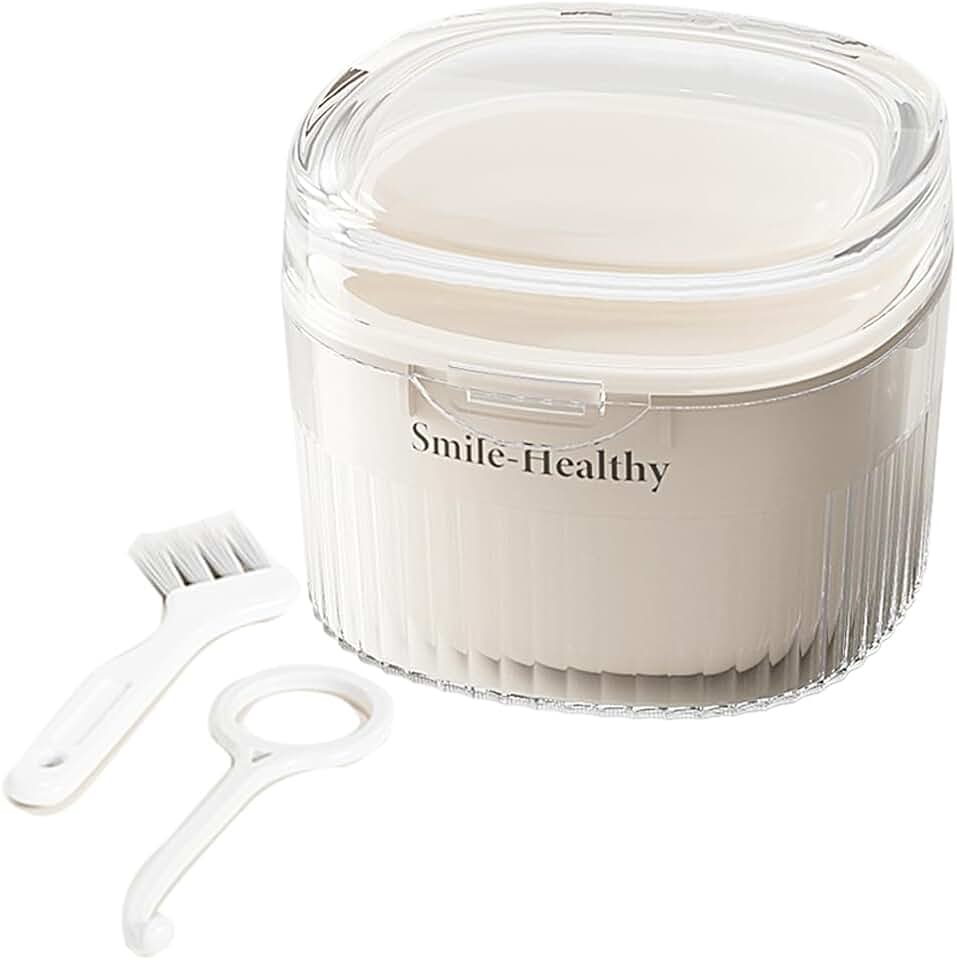
Includes a cleaning brush and mirror · Suitable for storing and cleaning dentures, bridges, and retainers · Designed for convenient travel use
This denture case kit is ideal for maintaining denture hygiene and portability, featuring a built-in mirror and cleaning brush.

Effectively cleans dentures, aligners, mouth guards, and retainers · Leaves a minty fresh and clean scent · Comes in a count of 126 tablets for extended use
These cleaning tablets offer a simple and effective way to keep dental appliances fresh and clean, promoting better oral hygiene.
As an Amazon Associate I earn from qualifying purchases. Prices may vary.
When to See a Denturist: Red Flags and Next Steps
While denture liners can provide significant relief, there are times when they simply aren’t enough. If you’re experiencing persistent discomfort, despite using a liner, it’s time to see a denturist. Similarly, if your dentures are broken or cracked, don’t attempt to repair them yourself. Professional repair is essential to ensure a safe and functional fit.
Significant changes in denture fit are also a red flag. If your dentures are constantly slipping or feeling loose, even with a liner, it indicates a more serious problem. And finally, any signs of oral infection – such as redness, swelling, or sores – should be addressed immediately. Regular dental checkups are crucial for maintaining good oral health and ensuring your dentures continue to fit properly. Don’t wait for a problem to develop; be proactive about your care.
No comments yet. Be the first to share your thoughts!