

Beyond the Smile: Why Denture Liners Matter
Eleanor, a Charleston resident, recently shared that her dentures, after years of comfortable wear, had become a source of significant discomfort, leading her to avoid favorite foods. This is a common experience for many denture wearers, where dentures that once fit well begin to cause irritation. Denture liners offer a solution.
Liners are a necessity, acting as a cushion between dentures and gums. Gums and jawbone naturally change shape over time, causing dentures to loosen and create sore spots. Liners fill these gaps, restoring comfort and functionality.
South Carolina's humid climate can contribute to gum swelling, affecting denture fit. An active lifestyle, whether enjoying the coastline or state parks, requires secure, comfortable dentures. Liners help ensure dentures stay in place, allowing for a fuller life without discomfort or slippage.
Types of Liners: A 2026 Landscape
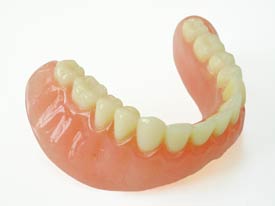
Denture liners vary in type, each with distinct strengths and weaknesses. They can be categorized into soft liners, hard liners, and reline materials. Soft liners, typically made of silicone or acrylic, offer immediate comfort and flexibility.
Temporary soft liners offer short-term relief while awaiting professional relines or new dentures. Permanent soft liners are more durable but need periodic replacement. Hard liners, usually acrylic, are rigid and provide greater stability, requiring a precise fit for extensive denture adjustments.
The FDA provides guidance on over-the-counter denture cushions, pads, and reliners, stressing the importance of following product instructions and seeking professional care when needed. Trends point toward biocompatible and hypoallergenic materials to minimize allergic reactions and improve gum health. Research is also exploring materials with enhanced antimicrobial properties to combat bacteria buildup.
- Soft Liners: Silicone or acrylic, temporary or permanent, flexible and comfortable.
- Hard Liners: Acrylic, rigid and stable, require precise fitting.
- Reline Materials: Used to create a new base for dentures, often done professionally.
Soft vs. Hard: Which Liner is Right for You?
Choosing between a soft and hard liner depends on individual needs. Soft liners provide immediate comfort, ideal for new denture wearers or those with initial discomfort, sensitive gums, or areas of bone resorption.
Soft liners are more porous, absorbing odors and stains more easily, and typically require replacement every six to twelve months. Hard liners, while less immediately comfortable, are more durable and resistant to wear and tear.
Research published by the National Institutes of Health (PMC) indicates that long-term soft denture lining materials can harbor Candida albicans, potentially leading to inflammation. Diligent cleaning and regular professional checkups are essential. For significant bone loss or a more stable denture base, a hard liner is generally the better choice. A denturist can evaluate specific needs and recommend the most appropriate option.
- Soft Liners – Best For: New denture wearers, sensitive gums, bone resorption, immediate comfort.
- Hard Liners – Best For: Long-term stability, significant bone loss, durable base.
Soft vs. Hard Denture Liners: A Comparison for South Carolina Wearers
| Feature | Soft Liner | Hard Liner |
|---|---|---|
| Comfort | High | Moderate |
| Durability | Low | High |
| Cost | Moderate | Moderate |
| Replacement Frequency | High | Low |
| Best For | Initial adjustment period, sensitive gums, temporary relief | Long-term use, stable denture base, minimal discomfort |
| Tissue Irritation Potential | Moderate | Low |
| Ease of Cleaning | Moderate | High |
Illustrative comparison based on the article research brief. Verify current pricing, limits, and product details in the official docs before relying on it.
DIY vs. Professional Liner Application
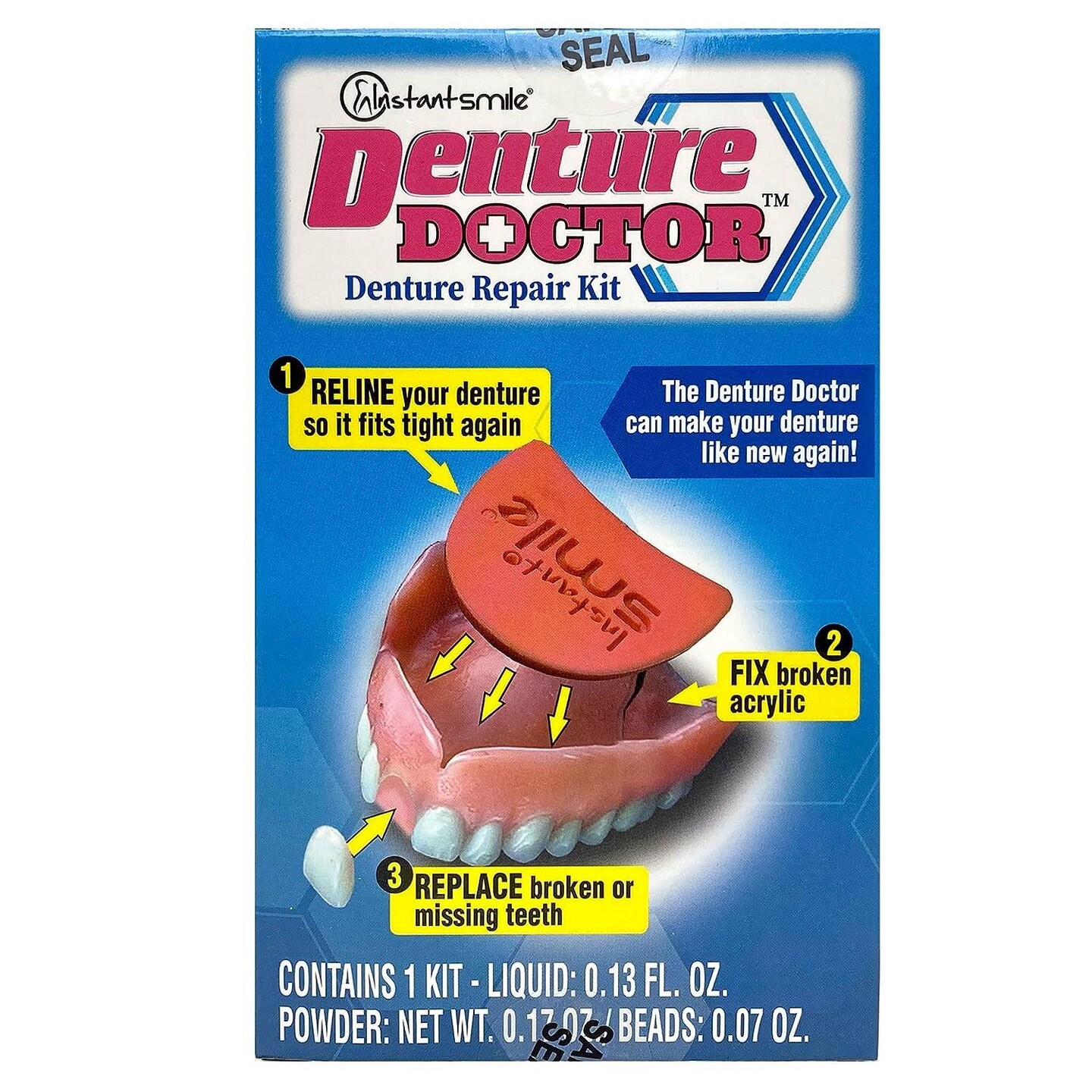
DIY denture liner kits are available, but professional application is recommended. A poorly fitted liner can cause discomfort, irritation, and damage to gums.
DIY kits often lack precise fit, and improper application can trap bacteria, increasing infection risk. A denturist's training and expertise allow for accurate assessment and a perfectly tailored liner, ensuring proper sealing to prevent bacterial growth.
Denture Care Shop offers same-day denture services in Charleston and throughout South Carolina for denture relining and liner application. While DIY kits may seem cost-effective, the potential risks and long-term consequences often outweigh the savings, making professional application an investment in comfort and oral health.
Top Liner Products for 2026
Predicting exact product availability is difficult, but here are some currently popular options and emerging contenders. Pricing can vary, and these are estimates as of late 2024. Availability in South Carolina may differ.
Poligrip Denture Liners: A well-known brand, Poligrip offers both soft and hard liner options, ranging from $15-$30 per kit. They’re readily available at most drugstores and provide a decent level of comfort and stability. However, some users report issues with adhesion over time.
Fixodent Comfort Seal: Similar to Poligrip, Fixodent offers a range of liners with a focus on comfort. Their Comfort Seal liner ($20-$35) is designed to create a tight seal, preventing food particles from getting under the denture. It's a good option for those experiencing difficulty eating.
Valplast Soft Liner: A more premium option, Valplast liners ($40-$60) are known for their flexibility and biocompatibility. They're often recommended for patients with sensitive gums or allergies. Professional application is typically required.
Denturetine Soft Liner: This liner, around $25-$40, is gaining popularity for its ease of use and comfortable fit. It's a good middle-ground option for those seeking a balance between affordability and quality.
NextDent C&B Soft: An emerging material gaining traction with denturists, NextDent offers a highly biocompatible and flexible soft liner. Expect professional application costs to be around $75-$150 per arch. It’s designed for improved long-term comfort and reduced inflammation.
GC Reline Soft: Another professional-grade option, GC Reline Soft ($80 - $160 per arch) is known for its durability and resistance to tearing. It’s a good choice for patients with significant bone loss.
Identi-Soft Liner: This is a temporary soft liner, priced around $10-$20, ideal for quick relief while you schedule a professional relining. It's not a long-term solution, but can provide immediate comfort.
Featured Products

Waterproof seal and zinc-free formula · Food-grade ingredients for safety · Long-lasting hold, with a tube lasting up to 8 weeks
This adhesive cream provides a waterproof seal and a secure hold for uppers, lowers, and partials, utilizing food-grade ingredients for peace of mind.

Thermoplastic formula refits and tightens loose dentures · Acts like a soft reliner for a custom fit · Long-lasting comfort and a waterproof, zinc-free hold
Cushion Grip offers a unique thermoplastic solution that acts as a soft reliner, refitting and tightening dentures for a secure, comfortable, and custom fit.

Extra strength formula for a secure hold · Powder application for easy use · Pack of 6 for extended use
Poligrip Super Extra Strength Denture Adhesive Powder offers a reliable and easy-to-apply solution for securing dentures throughout the day.

Advanced formula reliner kit to refit and tighten dentures · Suitable for both upper and lower dentures · Value pack provides 6 relines
The Dentemp Denture Reline Kit provides an advanced formula to effectively refit and tighten both upper and lower dentures, ensuring a snug and comfortable fit.

Zinc-free and waterproof adhesive strips · Comfortable cushion fit with extra firm all-day hold · No-mess application for convenience
These Secure Denture Adhesive Strips offer a convenient, no-mess application with a zinc-free, waterproof formula that provides a comfortable cushion fit and extra firm hold.
As an Amazon Associate I earn from qualifying purchases. Prices may vary.
Caring for Your Liner: Extending Its Life
Proper care maximizes the lifespan of your denture liner. Daily cleaning is crucial. Use a soft-bristled toothbrush and a mild denture cleanser; avoid abrasive cleaners like toothpaste, as they can damage the liner's surface.
undefined. Regular dental checkups are also vital – your denturist can assess the liner's condition and identify any potential problems.
Be mindful of what you eat. Sticky or hard foods can put stress on the liner and cause it to detach. While liners will eventually need replacing – it's inevitable with wear and tear – diligent care can significantly prolong their life and maintain your comfort. Remember, proactive maintenance is always more cost-effective than waiting for a problem to develop.
- Daily Cleaning: Soft-bristled toothbrush and mild denture cleanser.
- Rinsing: Thoroughly rinse after cleaning.
- Soaking: Overnight in denture-cleaning solution (follow instructions).
- Regular Checkups: Visit your denturist for assessments.
Troubleshooting Common Liner Issues
Even with proper care, you may encounter issues with your denture liner. Irritation and sore spots are common, often caused by a poor fit or trapped food particles. Try adjusting your dentures or cleaning them more thoroughly. Slippage can indicate a worn-out liner or inadequate adhesive. If you experience persistent odor, it may be a sign of bacterial growth – replace the liner and consult your denturist.
These are common issues, but it’s important to remember that I am not a medical professional and this information is not a substitute for professional dental advice. If you’re experiencing significant discomfort or suspect an infection, seek immediate attention from a qualified denturist. Don’t attempt to self-treat serious problems – your oral health is too important.
- Irritation/Sore Spots: Adjust dentures, clean thoroughly.
- Slippage: Replace liner or adhesive.
- Odor: Replace liner, consult denturist.
No comments yet. Be the first to share your thoughts!